Biocompatible Materials and Safe Protocols

Understanding material compatibility and established removal procedures in biological dentistry.

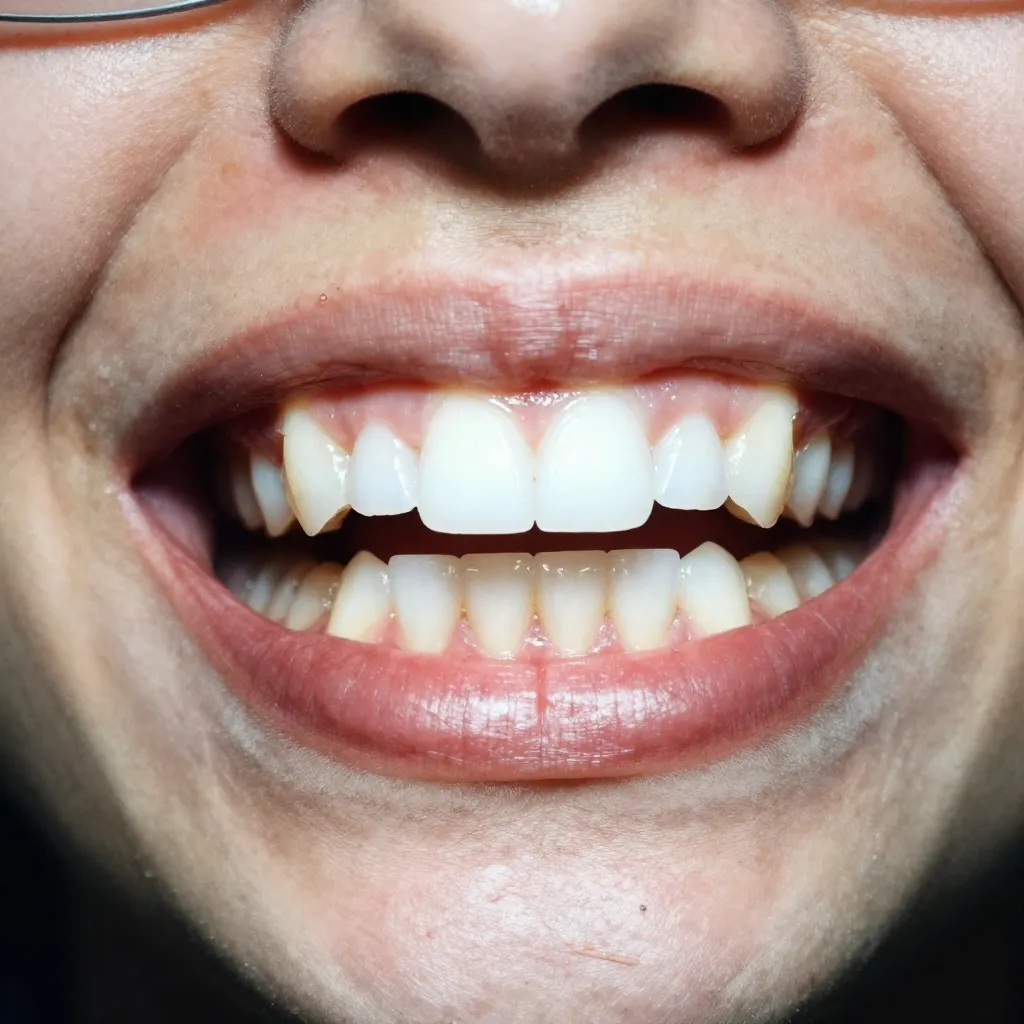
Dental materials and biocompatibility testing

Understanding Material Biocompatibility

Biocompatibility refers to how well a material interacts with living tissues. In biological dentistry, understanding material compatibility is important when selecting restorations, implants, and other dental materials.

Different individuals may respond differently to the same materials. Factors such as existing sensitivities, immune function, and overall health can influence how materials are tolerated.

Some practitioners offer biocompatibility testing to help identify which materials may be most suitable for individual patients, though the scientific basis and reliability of such testing varies.


Material selection and evaluation

Safe Removal Protocols

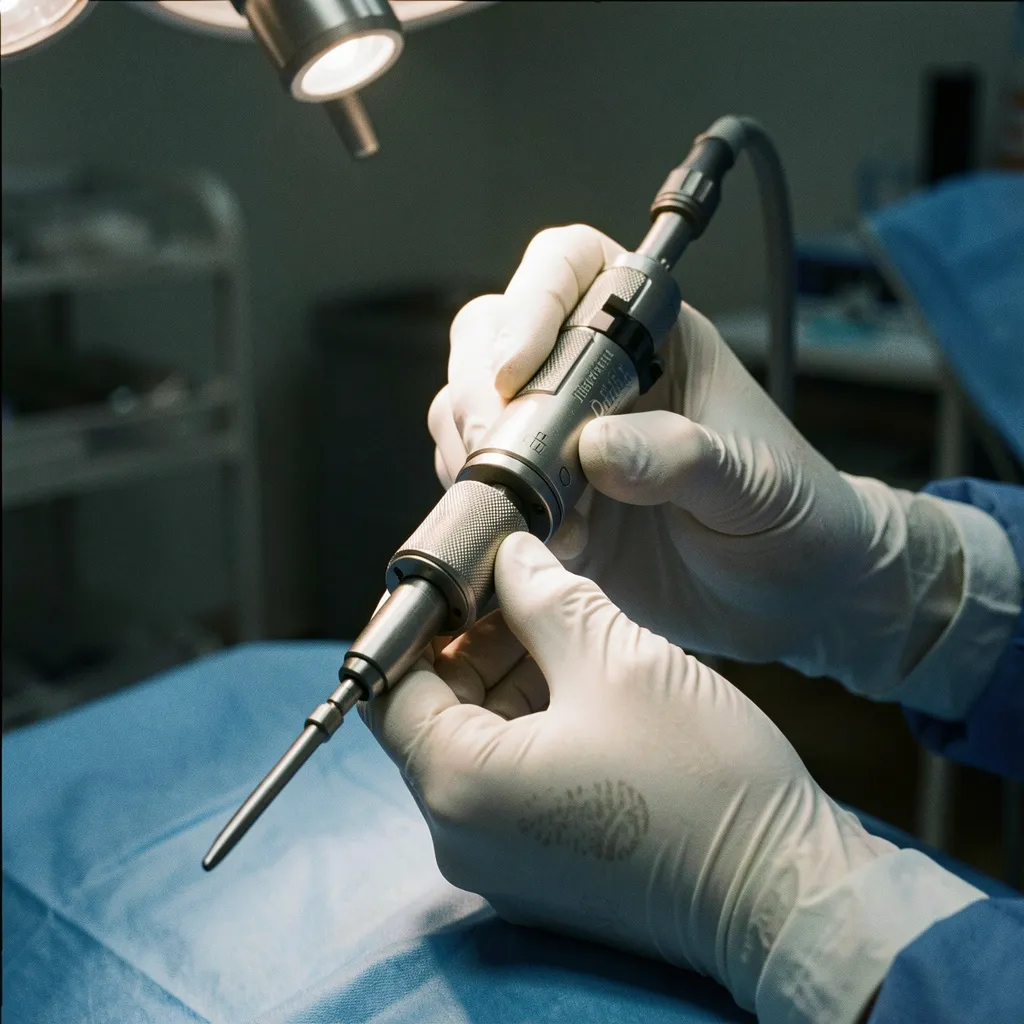
Established procedures help minimize exposure during material removal or replacement procedures.

Safe dental material removal procedures

Material Options and Considerations

Composite Resins

Tooth-colored materials that bond directly to tooth structure. Various formulations are available with different properties and compositions.

Ceramic Materials

Inert ceramic options including porcelain and zirconia. These materials are generally considered highly biocompatible.

Metal Alternatives

For those preferring non-metal options, various ceramic and composite alternatives exist for crowns, bridges, and other restorations.

Individual Assessment

Individual patient assessment

Material selection should be based on individual factors including oral health needs, existing restorations, aesthetic preferences, and any known sensitivities or health considerations.

A thorough discussion of options, benefits, limitations, and considerations helps individuals make informed decisions about their dental care.

It's important to work with a practitioner who can provide balanced information about different material options and help navigate the decision-making process.

Research and Evidence

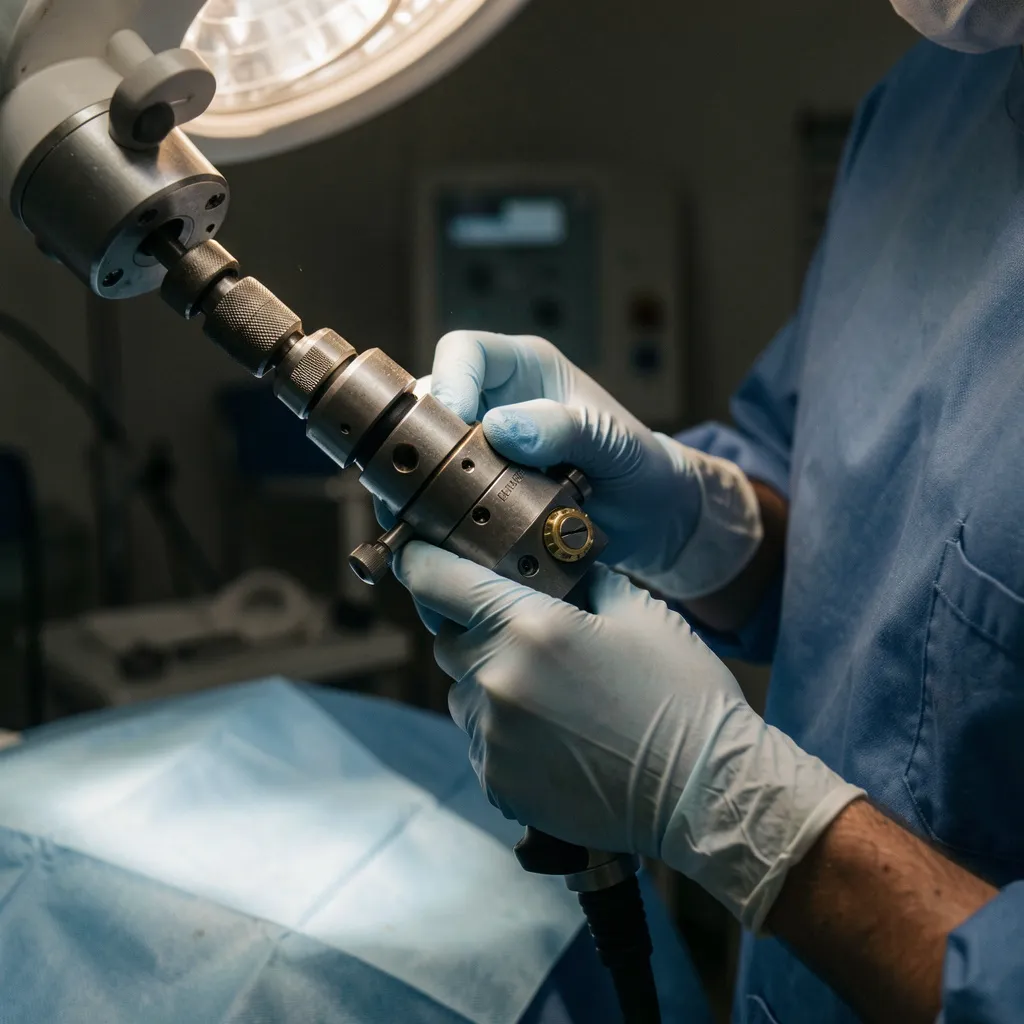
Material science continues to evolve, with ongoing research into biocompatibility, durability, and long-term performance of various dental materials.

Current evidence supports the safety and effectiveness of many modern dental materials when properly selected and placed by qualified practitioners.

Biological dentistry emphasizes staying informed about material research while considering individual patient needs and preferences in treatment planning.

Research and evidence-based material selection

Privacy & Cookies

We use cookies to enhance your browsing experience and analyze site traffic. By continuing to use this site, you consent to our use of cookies.

Learn More